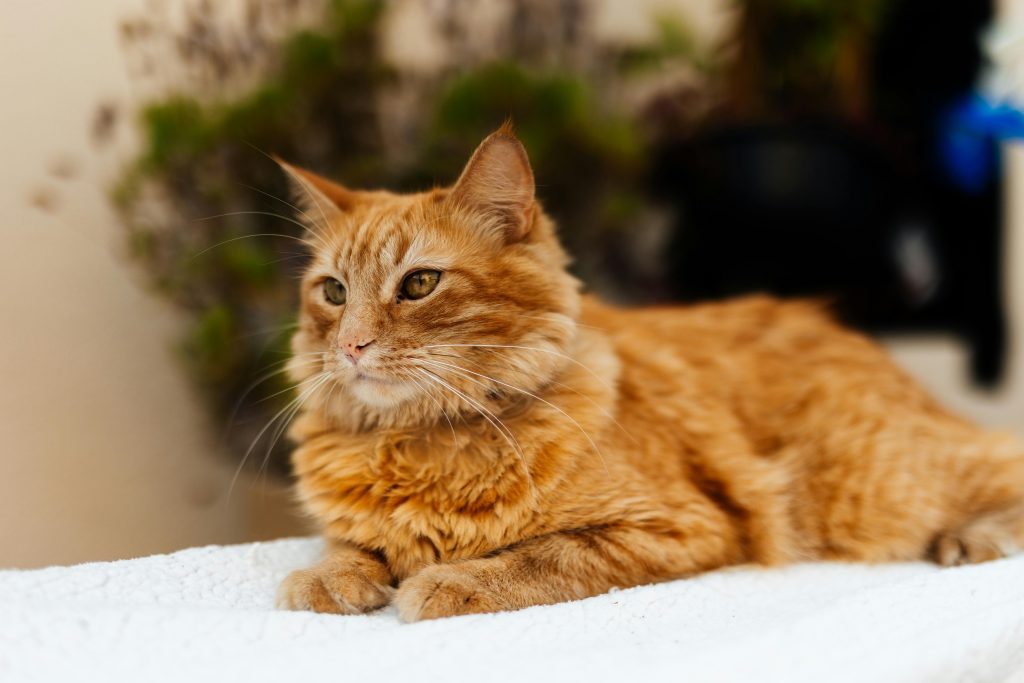
Why Do Cats Stare at Nothing? Exploring Feline Senses and Environmental Awareness
Have you ever caught your cat sitting perfectly still, staring intently at what appears to be an empty corner of the room? Maybe their eyes track something invisible across the ceiling, or they suddenly freeze mid-grooming to focus on seemingly nothing at all. If you’re like most cat owners, you’ve probably wondered if your feline friend is seeing ghosts—or if they’re just being their mysterious, quirky selves.
The truth is far more fascinating than supernatural explanations. When cats “stare at nothing,” they’re actually demonstrating the incredible sophistication of their sensory systems. What looks like empty space to us is often a rich landscape of information to our feline companions.
The Marvel of Feline Vision
To understand why cats stare at seemingly nothing, we first need to appreciate just how different their visual world is from ours. Cats possess several remarkable visual adaptations that allow them to detect movement and changes in their environment that are completely invisible to human eyes.
Superior Motion Detection
Cats can detect movement that’s up to 10 times subtler than what humans can perceive. This extraordinary sensitivity means they might be tracking a tiny spider walking across the wall, a dust mote floating in a sunbeam, or even the almost imperceptible movement of air currents in the room. What appears motionless to us could be a fascinating display of micro-movements to your cat.
This enhanced motion detection evolved from their hunting heritage. In the wild, being able to spot the slightest movement of prey—a mouse’s whisker twitching in tall grass or a bird’s feather ruffling in the wind—meant the difference between a successful hunt and going hungry.
Peripheral Vision Superpowers
While humans have a visual field of about 180 degrees, cats enjoy an impressive 200-degree field of vision. This means they can see things happening in their peripheral vision that you might miss entirely. When your cat suddenly turns to stare at a corner, they may have detected movement or changes in that area that you simply can’t see from your position.
Light Sensitivity and Night Vision
Cats have a structure called the tapetum lucidum behind their retinas, which reflects light back through the eye and gives them their characteristic glowing eyes in photos. This adaptation allows them to see in light levels six times lower than what humans need. In dim lighting conditions, cats might be observing details, shadows, or movements that are completely invisible to us.
The Incredible World of Feline Hearing
Perhaps even more impressive than their vision is cats’ extraordinary hearing ability. Cats can hear frequencies up to 64,000 Hz, compared to humans’ upper limit of about 20,000 Hz. This means they’re constantly receiving auditory information that we’re completely unaware of.
Ultrasonic Communication
Many small creatures, including rodents, communicate using ultrasonic frequencies. Your cat might be “staring at nothing” while actually listening intently to mice moving inside walls, rats scurrying in the attic, or even insects making sounds too high-pitched for human ears to detect.
Structural Sounds
Cats can hear the subtle sounds of a house settling, pipes expanding or contracting, or electrical equipment humming. These sounds often come from specific directions, causing your cat to focus their attention on particular areas of the room where the sounds originate.
Directional Hearing Precision
Cats can pinpoint the location of sounds with remarkable accuracy. Their ears can rotate independently up to 180 degrees, allowing them to triangulate sound sources with precision. When they’re staring at a specific spot, they might be using their exceptional hearing to locate the exact source of an interesting sound.
The Mysterious Sense of Smell
Cats possess roughly 200 million scent receptors compared to humans’ mere 5 million. They also have a special organ called the vomeronasal organ (or Jacobson’s organ) that allows them to “taste” scents in a way humans cannot imagine.
Scent Trails and Territorial Markers
Your cat might be intensely focused on detecting and analyzing scent trails left by other animals. These could be from mice that passed through hours earlier, other cats that visited your yard, or even scents carried in through open windows. To your cat, these invisible scent trails tell detailed stories about who has been in their territory and when.
Chemical Communication
Cats leave pheromone messages for other cats through scent marking. Your indoor cat might be detecting these chemical communications from outdoor cats, creating an invisible but highly informative network of feline social media that requires their full attention to decode.
Environmental Awareness and Intuition
Cats are incredibly sensitive to changes in their environment, often noticing subtle alterations that humans miss entirely. This heightened environmental awareness can manifest as prolonged staring at areas where changes have occurred.
Barometric Pressure and Weather Changes
Many cats can sense changes in barometric pressure hours before humans notice weather changes. This sensitivity might cause them to stare toward windows or specific directions as they detect the approach of storms or other weather patterns.
Electromagnetic Fields
Some researchers believe cats may be sensitive to electromagnetic fields from electrical devices, WiFi routers, or other electronic equipment. While the science is still developing, many cat owners report their pets focusing intently on areas with high concentrations of electronic devices.
Territorial Monitoring
Cats are naturally territorial, and they maintain detailed mental maps of their environment. When they stare at specific areas, they might be monitoring for any changes or intrusions in their territory. This behavior is particularly common near windows, doors, or areas where they’ve previously detected other animals.
Age-Related Considerations
As cats age, their staring behavior might change or become more pronounced. Senior cats sometimes develop cognitive changes that can affect their perception and behavior.
Cognitive Decline
Older cats may experience feline cognitive dysfunction, similar to dementia in humans. This can cause them to stare at walls or corners more frequently, sometimes appearing confused or disoriented. If your senior cat’s staring behavior has increased dramatically, it’s worth discussing with your veterinarian.
Sensory Changes
Aging can affect cats’ senses in complex ways. While their hearing might decline, they might become more sensitive to certain visual stimuli or rely more heavily on their remaining sharp senses, leading to increased vigilance and staring behaviors.
When to Be Concerned
While most cat staring is perfectly normal, there are times when this behavior might indicate health issues that require veterinary attention.
Neurological Concerns
If your cat’s staring is accompanied by other symptoms like loss of balance, confusion, changes in appetite, or unusual vocalizations, it could indicate neurological problems. Sudden changes in behavior patterns always warrant a veterinary consultation.
Vision Problems
Cats with developing vision problems might stare more frequently as they try to compensate for their changing eyesight. If you notice your cat bumping into furniture, hesitating at stairs, or seeming disoriented, schedule an eye examination with your veterinarian.
Stress and Anxiety
Sometimes excessive staring can be a sign of stress or anxiety. Cats under stress might become hypervigilant, constantly monitoring their environment for potential threats. If your cat’s staring is accompanied by hiding, changes in eating habits, or aggressive behavior, consider whether environmental stressors might be affecting them.
Embracing Your Cat’s Sensory World
Understanding why cats stare at seemingly nothing helps us appreciate the rich, complex sensory world our feline companions inhabit. Rather than dismissing this behavior as strange or supernatural, we can marvel at the incredible adaptations that allow cats to perceive so much more of their environment than we can.
The next time you catch your cat staring intently at an empty corner, take a moment to consider the fascinating possibilities. They might be watching a tiny insect you can’t see, listening to mice in the walls, analyzing complex scent trails, or simply monitoring their territory with the vigilance of a natural-born hunter.
This behavior is one of the many reminders that our cats are remarkable creatures with abilities that far exceed our own in many ways. Their “staring at nothing” is actually a demonstration of their incredible sensory sophistication—a window into a world of perception that we can only imagine.
By understanding and respecting these natural behaviors, we can better appreciate our feline companions and provide them with environments that support their sensory needs. After all, what looks like nothing to us might be everything to them.
Quick Tips for Cat Owners
- Don’t interrupt your cat when they’re staring intently—they’re likely processing important sensory information
- Observe patterns in their staring behavior to better understand what might be capturing their attention
- Provide enrichment that appeals to their heightened senses, such as puzzle feeders and interactive toys
- Consider the environment from your cat’s perspective when arranging furniture or adding new items to your home
- Consult your veterinarian if staring behavior changes dramatically or is accompanied by other concerning symptoms
Remember, your cat’s mysterious staring is just another fascinating aspect of sharing your life with one of nature’s most perfectly adapted predators. Embrace the mystery, and enjoy watching your cat navigate their rich sensory world.