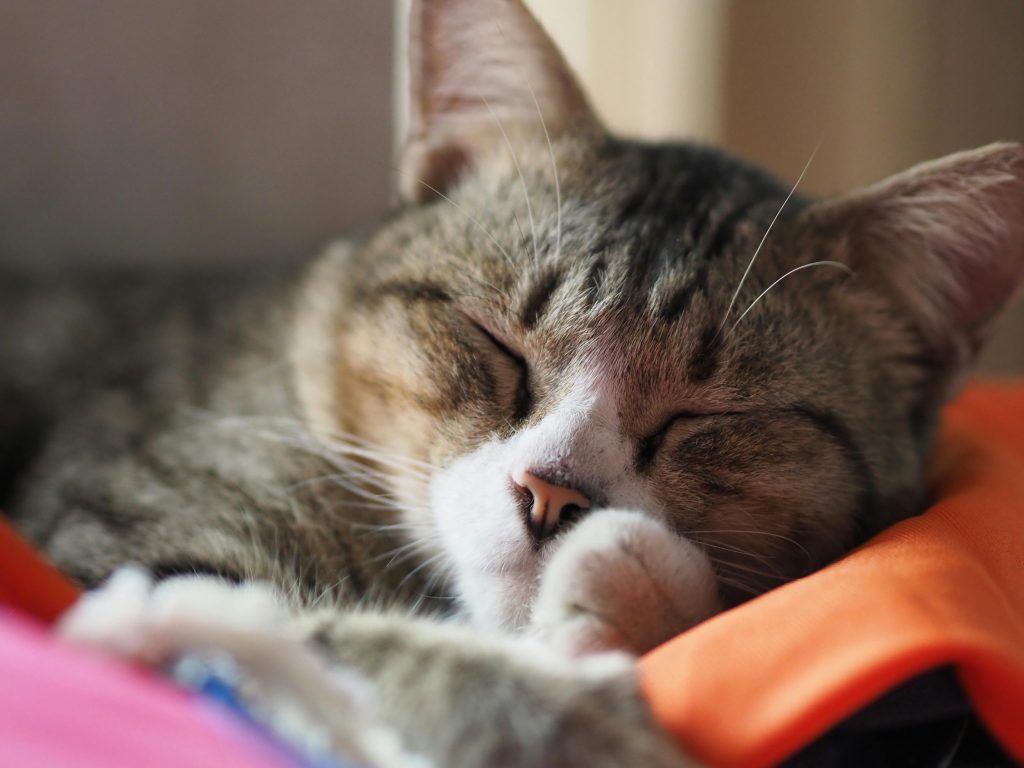
Cat Sleep Patterns Explained: Why Cats Sleep So Much and Understanding Their Sleep Cycles
If you’ve ever envied your cat’s ability to sleep anywhere, anytime, and for what seems like most of the day, you’re not alone. The average house cat sleeps between 12 to 16 hours per day—that’s roughly twice as much as humans need. Some cats, particularly kittens and senior cats, can sleep up to 20 hours daily. But why do our feline companions need so much sleep, and what’s actually happening during all those nap sessions?
Understanding your cat’s sleep patterns isn’t just fascinating—it’s essential for recognizing what’s normal for your pet and identifying when changes might signal health concerns. Let’s dive into the remarkable world of feline sleep and discover why your cat has mastered the art of the perfect nap.
The Evolutionary Roots of Cat Sleep
To understand why cats sleep so much, we need to look back at their wild ancestors. Domestic cats retain many of the same biological rhythms and behaviors as their wild counterparts, including their sleep patterns.
The Predator’s Paradox
In the wild, cats are both predators and prey. This dual role has shaped their sleep behavior in fascinating ways. As hunters, cats need to conserve energy for intense bursts of activity during hunting. A successful hunt requires explosive speed, quick reflexes, and sustained focus—all of which demand significant energy reserves.
However, as potential prey for larger predators, wild cats must also remain alert to threats. This creates what researchers call the “predator’s paradox”—needing deep, restorative sleep while maintaining enough awareness to detect danger. Cats have evolved a unique sleep pattern that addresses both needs.
Crepuscular Nature
Cats are naturally crepuscular, meaning they’re most active during dawn and dusk hours. This timing coincides with when their natural prey—small mammals and birds—are most active. Your house cat’s tendency to become energetic in the early morning and evening hours is a direct inheritance from this evolutionary adaptation.
This crepuscular nature explains why your cat might sleep peacefully all afternoon, then suddenly transform into a playful, energetic creature just as you’re settling down for the evening.
Understanding Feline Sleep Cycles
Cat sleep isn’t just one long, continuous rest period. Like humans, cats experience different stages of sleep, though their cycles are quite different from ours.
Light Sleep vs. Deep Sleep
Cats spend approximately 75% of their sleep time in light sleep and only 25% in deep sleep. This ratio is almost the opposite of human sleep patterns. During light sleep, cats maintain enough awareness to respond quickly to sounds, movements, or potential threats.
You’ve probably noticed your cat sleeping with their ears still moving toward sounds, or how they can instantly spring into action from what appeared to be a deep sleep. This is light sleep in action—a state that allows for quick energy restoration while maintaining environmental awareness.
REM Sleep in Cats
Cats do experience REM (Rapid Eye Movement) sleep, the phase associated with dreaming. During REM sleep, you might notice your cat’s whiskers twitching, their paws moving as if they’re running, or their eyes moving rapidly beneath closed lids. Some cats even make small chirping or chattering sounds during this phase.
Interestingly, cats enter REM sleep much faster than humans—often within just a few minutes of falling asleep, compared to the 60-90 minutes it typically takes humans to reach this stage.
The Cat Nap Phenomenon
The term “cat nap” exists for good reason. Cats are masters of the short, restorative sleep session. A typical cat nap lasts anywhere from 15 minutes to 2 hours, allowing cats to quickly recharge their energy without committing to long periods of vulnerability.
These frequent, shorter sleep sessions are perfectly adapted to a cat’s natural lifestyle. In the wild, this pattern allows for regular territorial patrols, hunting opportunities, and threat assessment while still providing adequate rest.
Factors That Influence Cat Sleep Patterns
Several factors can affect how much and when your cat sleeps, ranging from natural influences to environmental conditions.
Age and Life Stage
Kittens require the most sleep, often 18-20 hours per day. This extensive sleep is crucial for their rapid growth and development. During sleep, kittens’ bodies produce growth hormones, and their brains process the enormous amount of new information they encounter daily.
Adult cats typically sleep 12-16 hours per day, with the exact amount depending on their individual needs, activity level, and environment.
Senior cats often return to sleeping 18-20 hours per day. As cats age, they may develop arthritis or other conditions that make them less active, leading to increased sleep. However, senior cats may also experience more fragmented sleep due to discomfort or cognitive changes.
Weather and Seasonal Changes
Weather significantly impacts cat sleep patterns. During hot weather, cats tend to sleep more during the day to avoid overheating during active periods. Cold weather can also increase sleep time as cats conserve energy to maintain body temperature.
Many indoor cats still respond to seasonal changes in daylight hours, sleeping more during winter months when days are shorter and becoming more active as days lengthen in spring and summer.
Diet and Feeding Schedule
A cat’s feeding schedule can influence their sleep patterns. Cats naturally tend to sleep after eating, as digestion requires energy and makes them feel drowsy. Many cats develop sleep routines that align with their meal times.
The quality and quantity of food can also affect sleep. Well-fed cats tend to sleep more peacefully, while hungry cats may have restless sleep or wake frequently.
Environment and Stress Levels
A cat’s environment plays a crucial role in their sleep quality and duration. Cats in secure, comfortable environments tend to sleep more deeply and for longer periods. Stressful environments can lead to fragmented sleep or hypervigilance.
Changes in the household—new pets, moving furniture, construction noise, or changes in routine—can significantly impact a cat’s sleep patterns. Some cats become more alert and sleep less during periods of change, while others may sleep more as a coping mechanism.
The Science Behind Feline Sleep Positions
Where and how your cat sleeps can tell you a lot about their comfort level, health, and mood.
The Classic Curl
The most common cat sleeping position is curled up in a ball with the tail wrapped around the body. This position conserves body heat and protects vital organs while keeping the cat ready to spring into action if needed. It’s a position that indicates your cat feels safe but maintains some level of alertness.
The Belly-Up Position
When cats sleep on their backs with their bellies exposed, it indicates complete trust and security. The belly is a cat’s most vulnerable area, so this position shows they feel completely safe in their environment. Cats in this position are typically in deeper sleep phases.
The Loaf Position
Cats sleeping in the “loaf” position—sitting upright with paws tucked under their body—are usually in light sleep mode. This position allows for quick movement if needed while still providing some rest. It’s common during shorter naps.
The Side Sleeper
Cats sleeping on their sides are typically comfortable and relaxed but not as deeply asleep as those in the belly-up position. This position allows for easy breathing and moderate vulnerability while maintaining some readiness for action.
Creating the Perfect Sleep Environment for Your Cat
Understanding your cat’s sleep needs allows you to create an environment that promotes healthy rest patterns.
Temperature Control
Cats prefer sleeping in warm environments, typically between 70-80°F (21-27°C). They often seek out the warmest spots in the house—sunny windowsills, near heating vents, or on warm electronics. Providing cozy beds in warm locations can improve your cat’s sleep quality.
Quiet Spaces
While cats can sleep through many sounds due to their light sleep adaptation, providing quiet spaces for deeper rest is beneficial. Consider placing beds in areas away from high-traffic zones or loud appliances.
Multiple Sleep Options
Cats appreciate having multiple sleep locations to choose from. Different spots serve different purposes—a sunny windowsill for morning naps, a cozy enclosed bed for security, or a high perch for territorial monitoring while resting.
Consistency in Routine
Cats thrive on routine, and consistent daily schedules can help regulate their sleep patterns. Regular feeding times, play sessions, and bedtime routines help establish healthy sleep cycles.
When to Be Concerned About Sleep Changes
While cats naturally sleep a lot, significant changes in sleep patterns can indicate health issues.
Sleeping Significantly More Than Usual
If your normally active cat suddenly starts sleeping 18-20 hours per day, it could indicate illness, pain, or depression. Sudden increases in sleep duration warrant veterinary attention, especially if accompanied by changes in appetite, behavior, or litter box habits.
Sleeping Much Less Than Normal
Cats who suddenly sleep much less than usual may be experiencing pain, anxiety, or hyperthyroidism. Restlessness, frequent waking, or inability to settle into sleep positions can indicate discomfort.
Changes in Sleep Location
Cats who suddenly change their preferred sleeping locations might be responding to pain, temperature sensitivity, or environmental stressors. A cat who normally sleeps on your bed but suddenly hides under furniture may be feeling unwell or stressed.
Sleep Position Changes
Cats who can no longer curl up comfortably might be experiencing arthritis or other joint issues. Senior cats who stop sleeping in elevated locations may be having mobility problems.
The Benefits of Understanding Your Cat’s Sleep
Recognizing and respecting your cat’s natural sleep patterns can improve both their quality of life and your relationship with them.
Better Health Monitoring
Understanding what’s normal for your cat makes it easier to spot potential health issues early. Changes in sleep patterns are often among the first signs of illness in cats.
Reduced Stress
Cats who can follow their natural sleep rhythms in a supportive environment experience less stress and better overall health. This means fewer behavioral problems and a more contented pet.
Improved Bonding
Respecting your cat’s sleep needs and providing comfortable sleep environments strengthens the trust between you and your feline companion. Many cats appreciate having their humans nearby during rest periods, even if they’re not actively interacting.
Supporting Your Cat’s Natural Sleep Cycle
Here are practical ways to support your cat’s sleep needs:
Respect Sleep Time
Avoid waking your cat unnecessarily during their rest periods. Cats need their sleep for physical and mental health, and interrupted sleep can lead to stress and behavioral issues.
Provide Adequate Stimulation
Ensure your cat gets enough physical and mental stimulation during their active periods. Interactive play sessions, puzzle feeders, and environmental enrichment can help cats achieve more restful sleep.
Maintain Routine
Consistent daily routines help regulate your cat’s internal clock and promote healthy sleep patterns. Try to maintain regular feeding, play, and bedtime schedules.
Create Safe Spaces
Ensure your cat has access to quiet, secure sleeping areas where they won’t be disturbed by household activity, other pets, or outside noises.
The Wonder of Feline Sleep
Your cat’s extensive sleep schedule isn’t laziness—it’s a sophisticated biological adaptation that has allowed felines to thrive for millions of years. Those 12-16 hours of daily sleep serve crucial functions: conserving energy for hunting activities, processing memories and experiences, supporting immune function, and maintaining the alertness needed for survival.
By understanding and supporting your cat’s natural sleep patterns, you’re not just accommodating a quirky behavior—you’re honoring millions of years of evolutionary wisdom. The next time you see your cat curled up in a sunny spot for their fifth nap of the day, remember that they’re engaging in one of nature’s most perfectly adapted behaviors.
Every cat is unique, and their individual sleep patterns may vary based on personality, health, age, and environment. The key is learning what’s normal for your specific cat and being alert to significant changes that might indicate health or wellness concerns.
Sweet dreams to you and your feline friend—they’ve certainly mastered the art better than most of us ever will.
Does your cat have unique sleep habits or favorite sleeping spots? Share your observations in the comments below—understanding individual cat preferences helps all of us become better cat parents!